Helpful Approaches to Home Fire Prevention
As National Fire Prevention Week 2025 focuses on the risks of lithium-ion batteries, it’s a timely reminder that the fire dangers to homes are not limited to the latest gadgets. Yes, our phones, e-bikes, and vacuums carry new safety concerns, but time-tested hazards like faulty wiring, lint, candles, grease, and smoking materials remain just as dangerous.
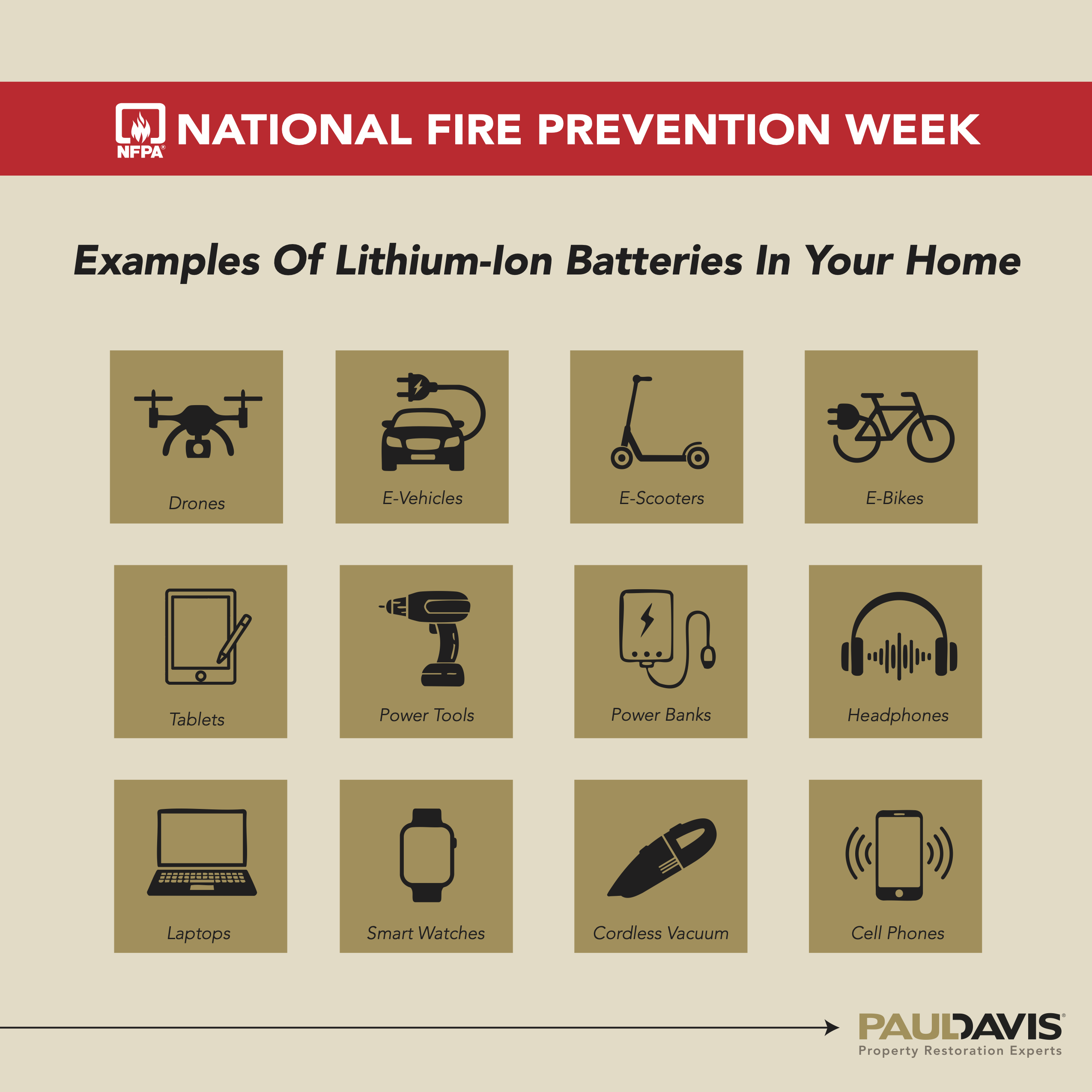
1. Lithium-Ion Batteries
This year’s NFPA theme is “Charge into Fire Safety: Lithium-Ion Batteries in Your Home.” These powerful, compact batteries fuel many of our daily devices, but they can turn volatile if misused, damaged, or improperly charged. Thermal runaway is a chain reaction where the battery overheats uncontrollably and can potentially lead to fires or explosions. Lithium fires are particularly hazardous because they can reignite or spread to other batteries nearby.
Top Battery Safety Tips:
- Buy certified devices: Look for UL, CSA, or ETL marks to ensure built-in safety features.
- Charge smart: Always use the right charger on a hard, nonflammable surface. Don’t charge near beds, couches, or unattended.
- Store & dispose responsibly: Never throw lithium batteries in the trash. Use proper recycling programs and keep spares away from heat or each other.
2. Candles
Candles remain a leading cause of home fires, especially during power outages or cozy winter nights. To burn candles safely, always keep them at least 12 inches away from anything flammable and use stable, tip-proof holders. Never leave a candle unattended or burn one while sleeping. It’s also important to keep candles out of reach of pets and children, and away from curtains or drafts. For a safer alternative that still offers a warm ambiance, consider switching to flameless LED candles.
3. Electrical Systems
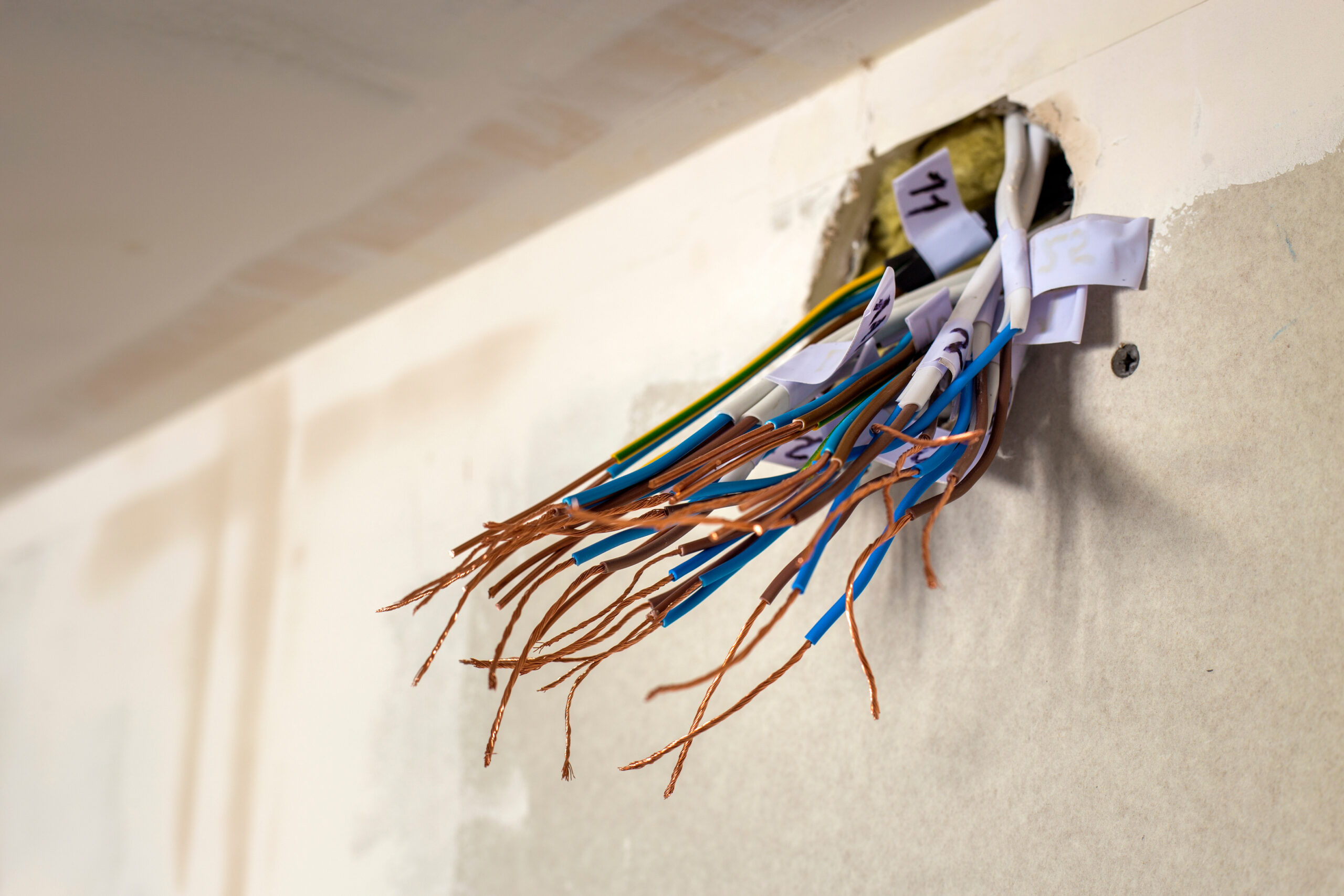
Electrical systems can pose silent but serious fire hazards, especially when wiring is outdated, outlets are overloaded, or cords are damaged. Many residential fires are caused by these issues, so it’s important to watch for warning signs such as buzzing, crackling, or sizzling sounds from outlets.
Other warning signs to keep in mind:
- Scorch marks
- Melted plugs
- Burning smells
- Flickering lights
- Frequent circuit breaker trips
To stay safe, replace any damaged cords immediately, avoid daisy-chaining power strips, and never overload outlets with multiple high-wattage appliances. If anything seems off, particularly in older homes, it’s wise to have a licensed electrician inspect your electrical system.
4. Dryer Lint
Dryer lint might seem harmless, but it’s highly flammable and a major cause of thousands of dryer fires each year, especially when vents and filters become clogged.
To reduce the risk, follow a simple lint-fighting checklist:
- Always clean the lint filter after every load
- Inspect and clean the dryer vent at least once a year
- Never dry items soaked in oil, paint, or other flammable liquids
- Keep the area around your dryer free of clutter
- Avoid running the dryer when you’re not at home

5. Cigarettes & Smoking Materials
Fires caused by cigarettes and other smoking materials remain a common and persistent hazard. To practice smoking safety, never smoke in bed or when you’re feeling drowsy. Always use deep, stable ashtrays and make sure cigarette butts are fully extinguished, preferably with water. Avoid placing ashtrays on flammable surfaces such as couches or beds, and only dispose of ashes once they are completely cool to prevent accidental fires.

6. Oily Rags
A lesser-known but serious fire hazard comes from oily rags, paints, and other flammable liquids, which can spontaneously combust. When oily rags are piled up, the oxidation process can cause them to self-ignite. To prevent this, always lay oily rags flat to dry in a well-ventilated area. Store them in a metal, sealed container or submerged in water (or detergent) until you can dispose of them safely. Use only approved containers for gasoline or solvents, and keep all flammable liquids far away from heat sources like flames, or sparks.

7. Kitchen Grease
Cooking is one of the leading cause of home fires, with grease fires being especially dangerous due to how quickly they can spread. To stay safe in the kitchen, never leave cooking unattended and keep flammable items like towels and paper at least three feet away from the stove. Use cookware that fits your burner properly to avoid spills.
If a grease fire occurs, slide a lid over the pan to smother the flames, turn off the heat, and never use water. For oven fires, keep the door closed to cut off oxygen and extinguish the fire. Additionally, clean exhaust hoods and filters regularly to prevent grease buildup that can fuel fires.

A Fire-Smart Home Strategy
Fire safety isn’t about just one trick, it’s about combining smart actions to create a complete safety net.
Start with layered defenses:
- Use safe products like certified batteries and smart chargers
- Perform routine maintenance check-ups like vent cleaning and electrical checks
- Practice smart habits like attentive cooking and safe disposal of oils and solvents
- Equip your home with detection and suppression tools
Smoke Alarms & Fire Extinguishers
Smoke alarms and fire extinguishers are vital to every home.
- Test smoke detectors monthly
- Replace batteries annually or as needed
- Swap out the entire unit every 8 to 10 years.
Fire escape planning is crucial and make sure every room has two exits (a door and a window if possible). Practice family escape drills at least twice a year and designate a safe meeting spot outside. If smoke is present, stay low to the ground while exiting. Additionally, make sure to keep ABC-rated fire extinguishers in key areas like the kitchen, laundry room, and garage, and make sure everyone in your household knows the PASS method:
- Pull the pin
- Aim at the base
- Squeeze the handle
- Sweep side to side
Prevention Is Protection
Stay alert to early warning signs such as odd smells like burning or melting plastic, warm outlets, sparking cords, flickering lights, swollen batteries, strange device noises, lint or dust buildup in unusual places, and unexplained smoke or heat near paints or rags.
The key to modern fire safety is prevention through awareness and action. Whether it’s unplugging your e-bike, cleaning your lint trap, or switching a candle for an LED, the steps you take today can save lives tomorrow. Don’t wait for smoke to trigger your alert, take charge of fire safety now.
If your home was damaged by fire, we understand how overwhelming this time can be. You don’t have to face the aftermath alone, contact us today. We’re here to help you rebuild, restore, and recover.