Unprecedented Rainfall and Flash Flooding
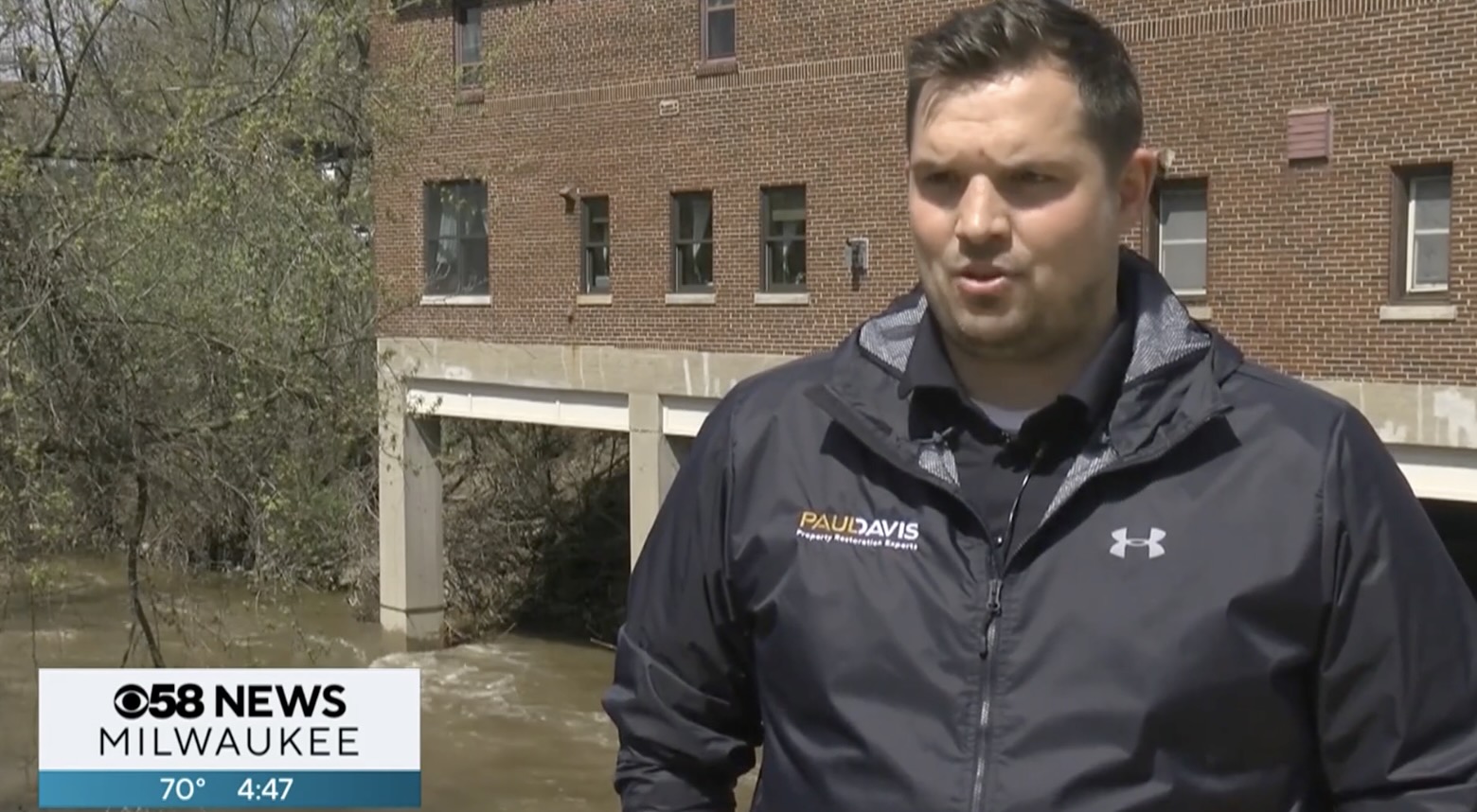
On the weekend of August 9–10, 2025, southeast Wisconsin experienced one of its most extreme rainfall events in modern history. Some Milwaukee neighborhoods recorded up to 14.5 inches of rain, with substantial areas experiencing between 10–11 inches in just a few hours and rainfall levels that overwhelmed every drainage system in sight. Similarly, the Milwaukee River surged to a record 11.19 feet, surpassing highs not seen since 2010.
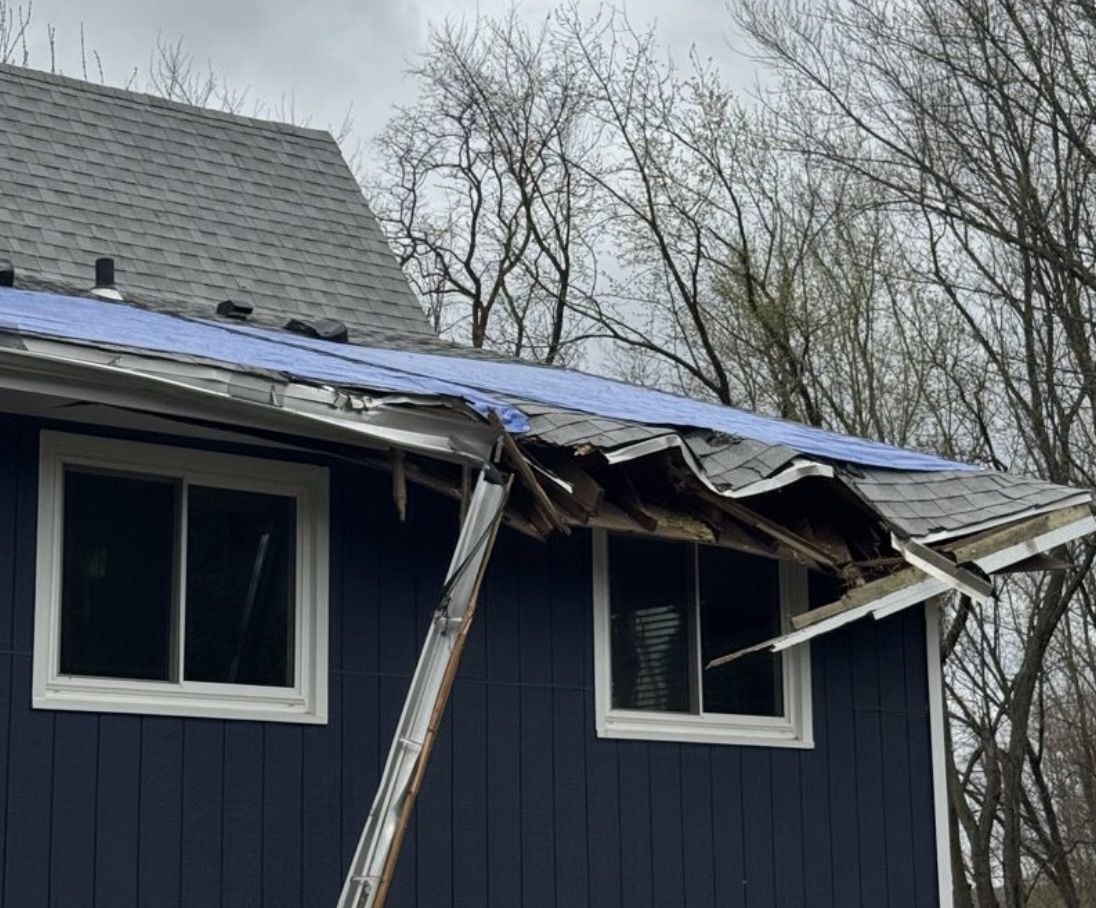
The deluge led to widespread flash flooding across Milwaukee, Wauwatosa, Waukesha, West Allis, and beyond. Homes and businesses were inundated, roadways turned into rivers, and vehicles became buoyant obstacles in fast‑flowing currents.

How the Disaster Escalated
State Fair Disrupted, Businesses Shut Down, and Big Events Canceled
The Wisconsin State Fair came to an abrupt end as flooding forced organizers to shut down the final day. Visitors waded through calf‑deep water toward exits, and even the highly anticipated Lynyrd Skynyrd concert was canceled. USA Triathlon also called off because of unsafe conditions and its overwhelmed emergency restoration service teams. Additionally, Milwaukee Mitchell International Airport was heavily impacted runways, taxiways, and tunnel underpasses swamped, forcing flight operations to adapt quickly or pause.
Emergency Response and Evacuations
Milwaukee County and nearby municipalities, declared States of Emergency as first responders, like Paul Davis, worked tirelessly. The Milwaukee Fire Department alone handled over 600 emergency assignments, including approximately 65 water rescues. In Wauwatosa, residents described watching floodwaters rush in unexpectedly, even while trying to evacuate. Homes were flooded, garage contents floated, and families found themselves abruptly displaced.
Paul Davis of South Central Wisconsin Answers Calls
With communities soaked and desperate for help, Paul Davis of South Central Wisconsin dispatched restoration crews immediately. Whether drying out basements, extracting water, or removing compromised materials, teams would have worked long hours to assess damage and begin stabilization. Beyond property recovery, some homeowners were grappling with emotional loss, treasured belongings gone under murky waters. Paul Davis teams provided not just technical restoration, but also reassurance, guidance, and steady support during profoundly stressful times.

Why Your Restoration Partner Matters
-
Unmatched Scale & Agility: The ability to spring into action quickly across multiple neighborhoods, backed by national resources, is vital when disaster strikes. It’s not just about drying a basement, it’s about restoring safety and confidence.
-
Community-Centered Expertise: The deluge was so extreme that “no sewer system across the country could handle that amount” of water, coupled with your professional insight, Paul Davis can mitigate long-term risks like mold and structural damage.
-
Holistic Care: When people lose what’s precious, even beyond physical property, compassion matters. Paul Davis teams offer technical solutions, but also offer empathy when you need it most.
Gear Up: What You Can Do Pre and Post-Storm


Pre‑Storm Preparedness
- Get Flood Insurance Now – The 30-day waiting period on NFIP policies means you must act well before rain hits.
- Maintain Sump Pumps – Test your pump, keep discharge clear, and have a reliable battery backup ready.
- Elevate Belongings – Move valuables and sensitive systems off low-lying floors when heavy rain is forecasted.
After the Flood
- Prioritize Safety – Never walk or drive through standing water. Disconnect power in affected zones if safe to do so.
- Ventilation & Dehumidification – Open windows, run fans, and use dehumidifiers to curb moisture immediately.
- Document Everything – Take photos and keep damage logs for insurance; schedule a professional restoration assessment.
- Reach Out for Help – Call your trusted restoration partner. Time matters to prevent long-term loss.
Media Link: Click Here
Storm Damage: Click Here